
Microwave ovens are great for drying kids clothes, just remember to take the little man out before you do.
Microwave ovens are great for drying kids clothes, just remember to take the little man out before you do.


In this world, there are many ways to exercise. Some are actual sports; others are specific types of exercise; all will make you sweat, somehow. We have ranked them in scientific order, based on the following criteria: Physical Difficulty; Amount That You Would Be Humiliated If You Tried to Just Waltz In and Do Them Like Some Big Shot Because You Thought They Would Be Easy; and Overall Hardcoreness. Fake bullshit sports are not included. All rankings are final.
47) Walking
46) Tai Chi
45) Water Aerobics
44) Stretching in General
43) Jogging
42) Zumba or Similar Dance-Based Fitness Class
41) Yoga
40) Isometrics
39) Volleyball
38) Pole Dancing, for Work or Pleasure
37) Skating, Ice or Roller
36) Water Skiing or other Boat-Assisted Water Sport
35) Arm Wrestling
34) Baseball
33) Calisthenics
32) Jumping Rope
31) BMX Bike-Riding
30) Skateboarding
29) Surfing
28) Mountaineering
27) Tennis or other Racket Sport
26) Canoeing, Kayaking, or other Rowing
25) Skiing, Snowboarding, or other Snow-Sliding
24) Hockey
23) Soccer
22) Diving
21) Bicycling (Racing)
20) Jumping, High and/ or Far
19) Sprinting
18) Throwing Heavy Objects for Distance
17) Sword Fighting (Non-Lethal)
16) Basketball
15) Kung-Fu or Similar Show-Offy Martial Art
14) Marathon Running
13) Pole Vaulting
12) Rock Climbing
11) Hurdles
10) Football
9) Powerlifting
8) Crossfit
7) Boxing
6) Wrestling
5) Triathlons
4) Ballet
3) MMA
2) Gymnastics
1) Super Squats
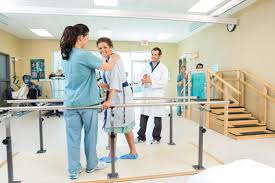
The advise my doctor told me to do after a sports injury was to go get physical therapy and workout.
How many of these fun facts did you know about automated bank teller machines (or ATMs, for short)?
1. Believe it or not, the first cash dispensing machine was invented by Luther George Simjian way back in 1939. The mechanical dispenser was installed in New York City at the City Bank of New York but was removed after only six months due to lack of customer acceptance.
2. Simjian later lamented that, “the only people using the machines were a small number of prostitutes and gamblers who didn’t want to deal with tellers face to face.”
3. Simjian had another invention that was much more successful during that era: a simulator that could be used to train aviators in identifying types of aircraft and determining their distance and speed. During World War II, the U.S. Navy bought more than 2000 of them from Simjian. The number of ATMs he sold during that same period: 0.
4. The first modern electronic ATM was installed in Enfield Town in North London, United Kingdom in 1967 by Barclays Bank. Instead of cash, though, the ATM dispensed vouchers.
5. The first free standing electronic ATM was installed in 1969 by Chemical Bank at its branch in Rockville Centre, New York. This device was the first machine to use the magnetic stripe on plastic cards.
6. ATMs didn’t begin to proliferate until 1973, when 2,000 of the machines were sold and distributed across the United States. Not everybody was happy; bankers at the time were concerned about the machine’s price tag: $145,000 (in 2009 dollars). Today an ATM can be bought for under $3000.
7. According to the FDIC, 60% of Americans ages 25-34 and 51% ages 25-49 use ATM machines eight times per month, withdrawing an average of $55 per transaction.
8. TGIF: The most popular day for ATM use is Friday. On a related note, night clubs with ATMs end up keeping 80% of the money dispensed from their cash machines.
9. The United States currently has more ATMs than any other country — but their numbers are dropping. The Boston Globe reports that after peaking at 396,000 in 2005, the number of US-based ATMs fell to 360,659 in 2007.
10. Japan has more ATMs than any other country on a per capita basis. The next four countries in order: Spain, South Korea, the United States, and Canada.
11. The first ATM in China wasn’t installed until 1987.
12. Ever wonder how an ATM works? From an engineering perspective, they are really not that complex; the main components consist of a computer, control panel, printer, and a special safe to hold the money. For a quick peek at the inner workings of an ATM, you can check out this cool one-minute video.
13. True Crime Stories: The first known instance of a fake ATM was installed at a shopping mall in Manchester, Connecticut in 1993. By modifying a retired ATM, a criminal gang known as The Bucklands Boys was able to steal, and later exploit, information from cards inserted by unwitting customers into the bogus machine. The gang ended up with over $100,000 before finally being caught.
14. True Crime Stories II: The average ATM fee in the United States at the end of 2008 was $1.97.
15. True Crime Stories III: According to Wikipedia, in 1996 a man named Andrew Stone was convicted in the UK of stealing the equivalent of more than one-million dollars by pointing high definition video cameras at ATMs from a considerable distance. After getting all the necessary information from the videotapes, the thief was able to produce clone cards that allowed him to later withdraw money at a rate of over $10,000 per hour.
16. You say tomato: Depending on where you live, automated teller machines are known by many different names: ATM (US); automated banking machine, bank machine, or money machine (Australia, Canada); cashpoint, or cash machine (UK, New Zealand); hole-in-the-wall (UK); and, bancomat (Europe).
17. No matter what you call them, there are now over 1.6 million of the machines all over the world. There is even an ATM at McMurdo station in Antarctica. Talk about cold hard cash!
18. ATMs in locations with high traffic can hold as much as $100,000. Presumably, the ATM in Antarctica is a much smaller model.
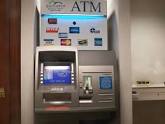
Imagine if you could make anything into an ATM Machine, my microwave would be spitting out hundreds.
Travel Photography
 mannysblog.com